Ryan Philp
on Why Your Job Is a Climate Job

For Ryan Philp, climate action has never belonged exclusively to specialists or policymakers. As Head of Sustainability at Daikin New Zealand — and author of a newly published book — his message is direct: "Your job is a climate job." Whatever the role, the decisions people make shape the systems around them. Recognising that, he believes, is often the first step toward meaningful change.
Ryan's thinking about sustainability is grounded in three images: a sunflower, lavender, and hemp. Together they capture something hopeful, something that supports biodiversity, and something deeply practical. Nature, in his view, isn't a resource to exploit — it's one to learn from and work with.
A defining moment in Ryan's journey came during the UK energy crisis, when many people faced the impossible choice of heating their homes or eating. That experience sharpened his conviction that the transition away from fossil fuels must be just — working environmentally, economically, and socially. Electrification alone won't solve everything, but done well, it can reduce inequality rather than deepen it.
In his sector, the biggest barrier is funding — particularly in housing. With a large share of New Zealand homes damp or mouldy, the solutions exist but scaling them requires sustained investment and stronger systems thinking. Ryan also points to the lobbying power of the fossil fuel industry as a persistent challenge, and would love to see organisations working in electrification and renewables find a stronger collective voice.
Moving to Aotearoa introduced Ryan to kaitiakitanga — a lens that has reshaped how he thinks about stewardship, intergenerational responsibility, and the relationship between people and place. Concepts like granting legal personhood to natural landscapes have deepened his respect for what makes this country extraordinary, and why protecting it matters.
His advice to rising change-makers is simple: stay curious, and be kind. Climate intersects with energy, economics, politics and social justice. Every day offers something new to learn — and no one gets everything right.
If Ryan could plant one seed for the future, it would be the widespread realisation that climate progress rarely comes from one huge breakthrough. More often, it comes from thousands of people making better decisions in their everyday work.
Read Ryan's answers to Blooming Sustainability to explore how electrification, equity and everyday professional decisions can add up to real climate progress.
BLOOMING Sustainability Questionnaire
Name: Ryan Philp
Company & Title: Head of Sustainability, Daikin New Zealand
Website & LinkedIn Profile: https://www.daikin.co.nz & https://www.linkedin.com/in/ryanphilp
* Guiding Values | Kaupapa
If sustainability were a flower blooming in your life, what would it look like? What nurtures it?
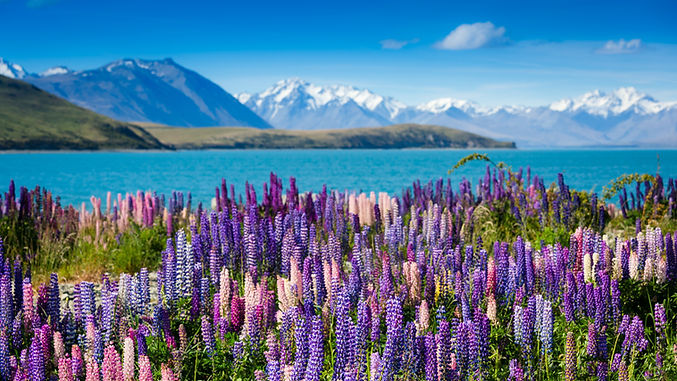
It’s not something I’d ever thought about before receiving this question, but after reflecting on it, I’d choose three: a sunflower, lavender, and hemp.
Sunflowers remind me of my partner, they represent happiness and optimism for the future. Lavender takes me back to living in London, where our neighbour had a huge lavender bush in their front garden that was always full of bumblebees. It smelled wonderful and was clearly doing something good for nature. And hemp (technically more of a plant than a flower) represents practical sustainability to me. It has enormous potential for textiles, packaging and construction materials. A great New Zealand example is Good Lids, who have some really cool hemp clothing.
Together they represent how I think about sustainability: something hopeful, something that supports biodiversity, and something grounded in the understanding that nature is our most important resource. The goal isn’t to exploit it, but to learn from it and work with it.
A quote, personal motto or whakataukī that reflects your vision:
“Your job is a climate job.”
It’s the title of my newly published book, and it captures the idea that climate action isn’t limited to policymakers or sustainability specialists. Whatever role we have, engineer, comedian, accountant, designer, waiter, builder, the decisions we make shape the systems around us. Recognising that is often the first step toward meaningful change.
If you could mentor a rising change-maker in Aotearoa, what advice would you share?
Two things I try to follow myself.
First: stay curious. Read widely, listen to podcasts, attend webinars, and take courses; absorb as much information as you can. Climate change intersects with energy, economics, technology, politics and social justice; every day is a school day.
Second: be kind. To others and to yourself. This work can be challenging, and nobody gets everything right all the time. But kindness and respect make collaboration easier and help build trust.
And importantly, you don’t have to work in a “sustainability” role to make a difference. Whatever your job, the decisions you make and the influence you have matters.
* Leading Change | Arataki
A key moment in your journey that shaped your path:
The energy crisis in the UK was a defining moment for me. Many people were facing the terrible choice of “heat or eat.” Unfortunately, we’re seeing similar pressures emerge around the world, including here in Aotearoa New Zealand.
Electrification alone won’t magically solve every issue, but it can help create a more resilient and secure energy system. The transition away from fossil fuels will either reduce inequality or deepen it. That’s why a just transition matters. Climate solutions need to work environmentally, economically and socially. Over the past few years, I’ve had the privilege of working alongside policymakers, engineers, installers, and designers who are actively delivering solutions that support that outcome.
What’s the main challenge you face in driving sustainability within your sector?
Funding. Particularly when it comes to housing.
New Zealand has around two million homes, and many of them need significant upgrades. BRANZ research suggests 20–30% of homes are damp or mouldy, which contributes to serious health issues.
While we ultimately want homes to use less energy, many first need better insulation, ventilation and adequate heating. The solutions exist, and organisations like the Community Energy Network and Healthy Homes initiatives are doing fantastic work. But scaling those solutions requires stronger systems thinking, collaboration, and long-term investment.
An area you need more support with:
The lobbying influence of the fossil fuel industry remains incredibly strong.
Personally, I would love to see organisations working in electrification and renewable energy come together with a stronger collective voice.
Around the world, we are still seeing governments support new fossil fuel projects that will have long-term costs, despite the fact that solutions like solar energy, heat pumps and energy efficiency technologies already exist and are ready to scale today.
An Indigenous perspective you admire and want people to be mindful of:
Kaitiakitanga, guardianship and stewardship of the natural environment.
Moving to Aotearoa New Zealand introduced a completely new lens through which I view sustainability. Māori perspectives emphasise the deep connection between people, nature and future generations. Ideas such as granting natural landscapes legal personhood, like Mount Taranaki, reflect a profound and unique respect for the natural world. I've enjoyed a few of New Zealand's Great Walks (and some smaller hikes), which has reinforced how special this place is, and why protecting it matters.
Your best approach for engaging stakeholders in meaningful dialogue about ESG:
Different people respond to different things, so the first step is to understand who you’re speaking with and meet them where they are. I’ve worked in the heat pump and air conditioning industry for more than a decade, and surprisingly not everyone finds that topic quite as exciting as I do!
So I try to keep conversations practical, accessible, and I try to have a bit of fun with it. Sharing data and resources is important, but providing context and telling relatable stories often helps people connect with the ideas more easily.
What do you think is Aotearoa’s superpower in creating a sustainable future?
Two things: nature and electrification.
New Zealand already has a largely renewable electricity system and extraordinary natural resources. There is also huge untapped potential in areas like geothermal energy.
Combined with our size and ability to innovate quickly, Aotearoa has a real opportunity to lead in electrification, energy efficiency and nature-based thinking.
If we lean into those strengths, we have the chance to genuinely live up to the environmental reputation many people overseas associate with New Zealand.
* Surfing the Green Wave | Kakariki
Books, podcasts, courses or other resources that profoundly shaped your approach to sustainability:
A few that influenced my thinking:
Project Drawdown
Let my People go Surfing - Yvon Chouinard
How Bad Are Bananas? — Mike Berners-Lee
Climate Change Is Racist — Jeremy Williams
Intersectional Environmentalist — Leah Thomas
Currently reading: The Wall — John Lanchester
Events in Aotearoa or globally that you think are must-attend
Electrify Queenstown
https://www.electrifyqueenstown.co.nz/electrify-queenstown-2026Electrify Your Business Tauranga
https://sustainable.org.nz/learn/events/electrify-your-business-taurangaThe Reality of Everything Symposium
https://events.humanitix.com/the-reality-of-everything-symposium
A sustainable initiative or project in Aotearoa that deserves more attention:
One Tree Hill Trades College.
Charlotte McKeon is doing inspiring work helping young people access careers in the trades. If we want to scale climate solutions across construction, energy and infrastructure, supporting initiatives like this is essential.
If your work could plant one seed of change for the future, what would it be?
Helping people realise that climate action isn’t limited to policymakers or environmental specialists.
The cumulative impact of everyday professional decisions can be enormous.
The leader(s) you endorse for a future edition of Blooming Sustainability
Charlotte McKeon - One Tree Hill Trades College
Emily Mabin Sutton - Climate Club NZ
Dr. Isabelle Chambefort - Earth Sciences New Zealand
* One actionable takeaway for our readers to make a change today for a brighter tomorrow:
Ask yourself one simple question: “What decision do I make at work that has the biggest environmental (or social) impact?”
Once you identify that decision, start there.
Climate progress rarely comes from one huge breakthrough. More often, it comes from thousands of people making better decisions in their everyday work.


