
Charlotte McKeon
on Training the Next Generation of Trades
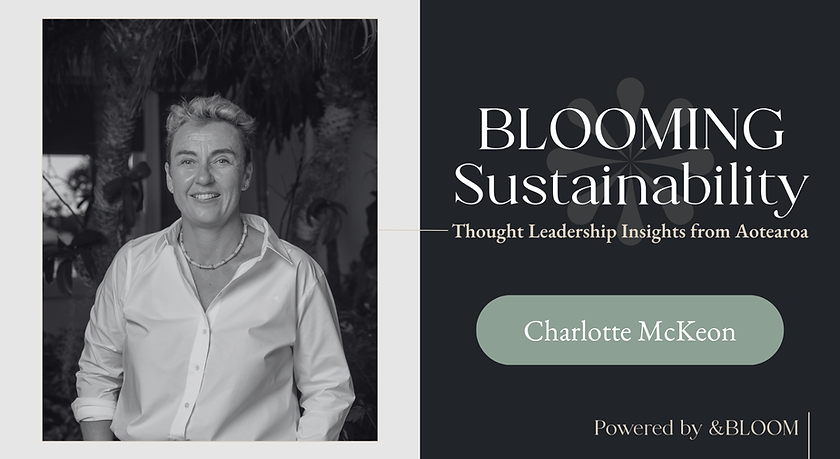
Charlotte McKeon has a motto printed on the wall of her workshop at One Tree Hill College: "If you can do better, why wouldn't you?" It's a question that drives everything she does — from leading Trade Academy students through real-world sustainable building projects, to completing a Master of Architecture while teaching full-time.
Charlotte's path changed direction twice in ways she couldn't have planned. The first was applying to study architecture at the University of Auckland in 2021, a decision she reflects on with honesty: "I am glad I had no idea what it involved or I would never have applied." The second was a phone call to the New Zealand Green Building Council asking how to retrofit a $1 ex-Kāinga Ora house. That call set off what she describes as a Homestar snowball — a community collaboration that has since opened doors to partnerships, apprenticeships, and opportunities her students had never had access to before.
The project that followed was remarkable. A 1970s state house, acquired for $1 in Māngere East, was fully renovated to Homestar standards by Year 12 and 13 students under the supervision of a licensed builder. Officially opened in February 2025, the home was sold and relocated to a farm in South Auckland, where it now houses a family. A second retrofit is now underway on the One Tree Hill College site — a 1990s Keith Hay-style home aiming for zero energy bills by September 2026.
For Charlotte, the deeper purpose of this work is the partnership itself. Industry and schools working together, she believes, can create systemic change — equipping young people with real skills while driving sustainable, affordable housing solutions at scale. "We are much stronger together," she says.
Sustainability, in Charlotte's life, looks like a daisy on a lawn — popping up wherever it can, surrounded by others, nurtured by sun and rain. Her connection to nature runs through her thinking on housing too: the orientation of a home to the sun, the ability to hear birds from a bedroom, the warmth of being dry while watching rain fall. Connecting daily life to the natural world, she believes, matters deeply for human wellbeing.
Her biggest challenge is simply time — there are too many possibilities, too many good people with knowledge to share, and never enough hours. Her advice to rising change-makers reflects that energy: just start, and proceed as though success is inevitable.
Read Charlotte's answers to Blooming Sustainability to explore how one teacher, one $1 house, and a group of determined students are reshaping sustainable housing and trades training in Aotearoa.
BLOOMING Sustainability Questionnaire
Name: Charlotte McKeon
Company & Title: One Tree Hill College, Auckland. Head of Trade.
Website & LinkedIn Profile: https://www.linkedin.com/in/charlotte-mckeon-85991155/
* Guiding Values | Kaupapa
If sustainability were a flower blooming in your life, what would it look like? What nurtures it?
I would be a daisy flower among a bunch of daisy’s on your lawn. Popping up anywhere they can, surrounded by other daisy’s who are all being nurtured by the rain and sun.
A quote, personal motto or whakataukī that reflects your vision:
If you can do better, why wouldn’t you? This statement came to me one day when driving to work. I have it printed as a banner on the workshop wall.
Another motto I have printed in the workshop that is borrowed from the Red Stag factory:
Be proud of your work.
We have this on the board in the workshop to be reminded off every day.
If you could mentor a rising change-maker in Aotearoa, what advice would you share?
Just start and proceed as success is inevitable. You don’t need to know how you will get there, just have an idea of where you are going and find others to support you and share the vision. We are much stronger together.
* Leading Change | Arataki
A key moment in your journey that shaped your path:
There we two key moments for: 1). Applying for the University of Auckland Architecture program in 2021. I am glad I had no idea what it involved or I would never have applied. The course and subsequent Masters program have been life changing for me. A new world has revealed itself. I cant imagine how I will ever have enough time in my life to learn, listen, do or practice even half of the things I really want to learn and demonstrate. 2) Contacting NZGBC and asking how to retrofit a $1.00 ex KO house. Making this call following a UoA lecture about NZGBC kicked off what was a little reno on an ex-statie into a Homestar snowball of community collaboration and extensive learning with partnerships that have allowed our students to have opportunities and subsequently apprenticeships in trades we had not provided in the past.
What’s the main challenge you face in driving sustainability within your sector?
Time. Time to explore opportunities, to consider, chase and make connections. I don’t have enough time to do everything I want to do each day, week or month! There are so many possibilities and so many good people with incredible knowledge who want to support.
An area you need more support with:
Time management
An Indigenous perspective you admire and want people to be mindful of:
I don’t know if its indigenous, but it is a connection to nature.
Connecting to nature through how we live in our homes, our orientation to the sun. How we can look at the stars and moon from our homes. If we can hear birds from our bedroom. Since a child, I have always loved sun traps, watching and listening to the rain while being warm and dry. Watching the sun rise or set. Connecting our daily lives to nature through the homes we live in is important for connection.
Your best approach for engaging stakeholders in meaningful dialogue about ESG:
Talking honestly and openly about issues that are significant to our sponsors, our school and our students. Sharing values and developing a high trust model is key to generating meaningful outcomes.
What do you think is Aotearoa’s superpower in creating a sustainable future?
People just do and get it done. They are less about talk and ego, that is a super power.
* Surfing the Green Wave | Kakariki
Books, podcasts, courses or other resources that profoundly shaped your approach to sustainability:
University of Auckland Bachelor of Architecture lectures with Dr Alessandro Premier and Francisco Carbajal were inspiring and thought provoking. Speaking with Matthew Cutler-Welsh from NZGBC is always incredibly interesting and inspiring. Talking to people in the field of sustainability is so interesting. People are so knowledgeable and have interesting perspectives, focus and journeys. Talking with others continues to shape my approach.
Events in Aotearoa or globally that you think are must-attend:
Red Stag Shed Tour in Rotorua! I cant talk about it, just awesome! If you can go, drive to Rotorua for the day and be prepared to be wowed.
A sustainable initiative or project in Aotearoa that deserves more attention:
Te Uru Taumatua Te Kura Whare. I have only recently discovered this Living Building Challenge project 2017. I am inspired by the m2 construction price and project outcome for the community.
If your work could plant one seed of change for the future, what would it be?
Industry and schools can partner and achieve incredible change for our young people and for industry training. Supporting our youth into meaningful employment and providing opportunities for growth and development, this powerful partnership can make systemic change.
The leader(s) you endorse for a future edition of Blooming Sustainability:
· John Gillespie – 22degrees, Sustainability Lead
· Nicola Tagiston – Fletcher Living, Head of Sustainability
· Dr Alessandro Premier – University of Auckland, Lecturer
· Francisco Carbajal – Capana Group LCA
* One actionable takeaway for our readers to make a change today for a brighter tomorrow:
We all have choices and we make choices all day, everyday. You have the ability to make something better, what will you do?


